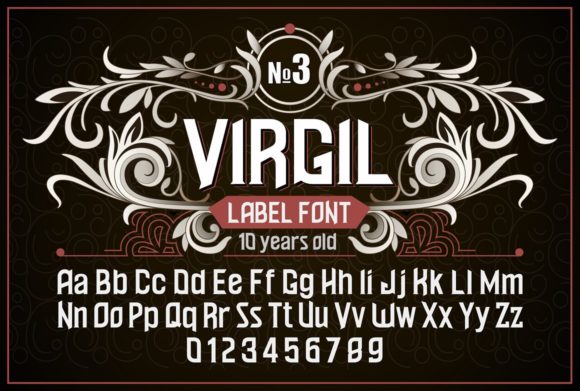
Integrating Virgil into Your Design Workflow: A Practical Guide to Vintage Typography
In the realm of visual communication, typography is rarely just about readability; it is a primary vehicle for tone, heritage, and brand identity. Among the vast library of typefaces available to designers, developers, and content creators, Virgil stands out as a distinct choice for those seeking a classic display font with a vintage feel. It is not merely an aesthetic preference but a strategic tool that can elevate the perceived value of a project, provided it is integrated correctly into your broader design process.
This guide explores how to leverage Virgil’s versatile style within real-world workflows. Whether you are a small business owner crafting a logo, a marketer designing a campaign, or a freelancer assembling a portfolio, understanding the mechanics of this typeface will help you create spectacular designs that resonate with audiences aged 20–50 who appreciate both modern efficiency and nostalgic charm.
Understanding the Anatomy of Virgil
Before integrating any font into a professional workflow, one must understand its structural characteristics. Virgil is classified as a display font, meaning it is designed to be read at large sizes rather than in long paragraphs of body text. Its defining feature is a strong serif structure combined with high contrast between thick and thin strokes, reminiscent of early 20th-century poster art and mid-century advertising.
The "vintage feel" associated with Virgil does not imply outdatedness. Instead, it evokes a sense of trustworthiness, craftsmanship, and timelessness. For professionals in fields such as publishing, education, or hospitality, this psychological association is crucial. When a user encounters Virgil, they subconsciously register quality and attention to detail. However, because it is a display font, its versatility lies in its ability to act as a focal point rather than a background element.
To use Virgil effectively, you must recognize its limitations. It lacks the subtle legibility required for dense informational text. Therefore, its role in your project hierarchy should be clearly defined from the outset. It belongs in headlines, titles, logos, and short pull quotes where impact matters more than volume.
Pre-Production: Planning and Concept Development
Effective design begins before a single pixel is placed on the canvas. During the planning phase, selecting the right typographic voice is essential for aligning your visual output with your strategic goals. Virgil fits best into projects that require a balance of authority and approachability.
- Brand Identity Projects: If you are launching a boutique coffee shop, a craft brewery, or a heritage clothing line, Virgil provides an immediate visual shorthand for tradition and quality. Start by mood-boarding alongside textures like kraft paper, grainy photography, or muted earth tones to ensure the font complements the overall sensory experience.
- Editorial Design: For bloggers and publishers, Virgil can serve as a powerful headline font for magazine-style layouts. It breaks the monotony of standard sans-serif headers, adding character without overwhelming the reader. Plan your grid system to allow ample white space around Virgil text, ensuring its intricate serifs remain crisp and readable.
- Presentation Decks: Educators and consultants often struggle to make slides engaging yet professional. Using Virgil for slide titles can inject personality into a corporate presentation, signaling that the content is curated and thoughtful rather than generic.
During this stage, consider compatibility with other assets. Virgil pairs exceptionally well with clean, geometric sans-serifs (such as Helvetica or Montserrat) for body text. This combination creates a dynamic tension between the ornate display font and the functional utility text, guiding the viewer’s eye naturally through the information hierarchy.
Implementation: Execution and Technical Considerations
Once the concept is approved, the implementation phase requires technical precision. Display fonts like Virgil demand careful handling to maintain their integrity across different mediums and screen resolutions.
Type Sizing and Spacing
The most common error when using Virgil is scaling it incorrectly. Because of its high stroke contrast, rendering it too small can cause the thin lines to disappear or blur, especially on lower-resolution displays. Always test your chosen size at actual viewing dimensions. For web use, ensure you are utilizing vector formats (SVG) or high-DPI raster images to preserve the sharpness of the serifs.
Kerning and tracking are equally critical. Virgil has specific spacing requirements to prevent visual clutter. Tight tracking can cause the swashes and flourishes to collide, creating a muddy appearance. Conversely, excessive tracking may break the word apart, losing the cohesive shape of the letterforms. Use optical kerning tools in your design software to adjust spacing based on the visual weight of adjacent characters, rather than relying solely on automatic metrics.
Color and Contrast Management
Vintage aesthetics often lean towards muted palettes, but Virgil performs best when contrast is managed deliberately. Avoid placing Virgil over busy backgrounds or complex photographic textures. The intricate details of the font will compete with the background noise, reducing legibility.
If you are working with a dark mode interface or a deep-colored background, consider using a slightly lighter shade of the font color to enhance readability. Alternatively, use a drop shadow or a solid backing box to isolate the text. This technique ensures that the vintage charm of Virgil remains the star of the composition without sacrificing accessibility standards.
Post-Production: Review and Optimization
The final stage of your workflow involves quality control and adaptation for various platforms. A design that looks spectacular on a desktop monitor may fail on a mobile device if not optimized correctly.
Accessibility Checks: Ensure that the color contrast ratio between Virgil text and its background meets WCAG (Web Content Accessibility Guidelines) standards. While vintage styles often favor low-contrast pastels, these can be problematic for users with visual impairments. Adjust opacity or switch to darker shades of the palette to maintain compliance while keeping the aesthetic intact.
Responsive Behavior: If Virgil is being used in a digital environment, plan for responsive breakpoints. On smaller screens, you may need to reduce the font size or simplify the layout to prevent horizontal scrolling. Test the font family on multiple devices to ensure that the rendering engine interprets the glyphs consistently. Some older systems may struggle with complex serif structures, so having a fallback sans-serif font defined in your CSS or style sheet is a prudent backup plan.
Long-Term Integration and Consistency
Sustainable design workflows rely on consistency. Once you have established Virgil as a key component of your visual language, document its usage rules. Create a simple style guide entry that specifies:
- Which weights of Virgil are approved for use (e.g., Bold vs. Regular).
- Minimum size restrictions to ensure legibility.
- Approved pairings with body text fonts.
- Contexts where Virgil should be avoided (e.g., legal disclaimers, navigation menus).
This documentation serves as a reference for collaborators, freelancers, or future versions of yourself. It prevents the gradual dilution of brand identity that occurs when typefaces are used inconsistently. By treating Virgil as a disciplined tool rather than a decorative afterthought, you ensure that every piece of content you produce reinforces the desired message of vintage elegance and professional reliability.
Conclusion
Virgil is more than just a font; it is a narrative device that communicates heritage and quality. By integrating it thoughtfully into your pre-production planning, executing with technical precision, and maintaining rigorous quality control, you can harness its power to create designs that stand the test of time. Whether you are building a brand from scratch or refreshing an existing identity, Virgil offers a sophisticated path to visual distinction. Embrace its vintage character, respect its structural needs, and let it work hard for you in your creative and professional endeavors.