Evaluating Happy Moment: A Practical Guide to Using a Unique Display Font in Modern Design
Selecting the right typography is often one of the most critical decisions in graphic design, branding, and visual communication. It sets the tone, dictates readability, and influences how an audience perceives a message before they even process the content itself. Among the vast array of typefaces available today, Happy Moment has emerged as a distinct option for designers seeking a blend of whimsy and sophistication. But does it truly fit your project? This analysis explores what makes Happy Moment unique, where it excels, and when you might want to consider alternative solutions.
What Makes Happy Moment Distinct?
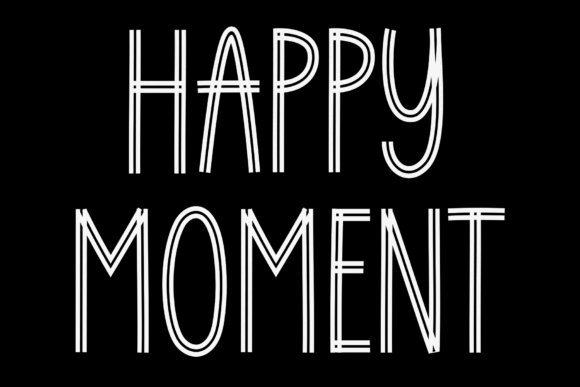
Happy Moment is classified as a display font, meaning it is designed primarily for large-scale usage rather than body text. Its defining characteristic is its ability to balance playfulness with a refined, stylish aesthetic. Unlike many novelty fonts that can feel chaotic or overly childish, Happy Moment maintains a level of structural integrity that allows it to integrate seamlessly into professional designs. The letterforms are crafted with a sense of movement and rhythm, giving static text a dynamic quality that draws the eye.
The versatility of this typeface lies in its adaptability. While it carries a cheerful connotation, it does not sacrifice elegance. This duality makes it suitable for a wide pool of designs, ranging from casual social media graphics to more polished brand identities. For designers who have struggled to find a font that feels both approachable and premium, Happy Moment offers a compelling middle ground. Its unique character set and carefully considered spacing ensure that it stands out without overwhelming the surrounding elements.
Comparing Happy Moment to Other Display Fonts
When evaluating typography, it is helpful to understand how a specific font fits into broader categories. Display fonts generally fall into two camps: those that prioritize extreme legibility and neutrality, and those that prioritize personality and decorative appeal. Happy Moment sits firmly in the latter category but distinguishes itself through its balanced execution.
- Novelty vs. Readability: Many playful fonts suffer from poor kerning or inconsistent stroke weights, making them difficult to use in larger compositions. Happy Moment addresses these common tradeoffs by maintaining consistent visual weight, which ensures that headlines remain readable even at smaller display sizes.
- Traditional Serifs vs. Handwritten Styles: Traditional serif fonts convey authority and tradition, while handwritten scripts offer intimacy and personal touch. Happy Moment bridges this gap by incorporating organic curves reminiscent of handwriting while retaining the geometric precision of a structured typeface. This hybrid nature allows it to evoke warmth without appearing unprofessional.
- Trend-Driven vs. Timeless: Some display fonts are heavily influenced by current trends, which can date a design quickly. Because Happy Moment relies on fundamental principles of shape and balance rather than fleeting stylistic quirks, it possesses a degree of longevity that appeals to long-term branding projects.
Best-Fit Situations for Happy Moment
Understanding the ideal use cases for Happy Moment helps designers make informed decisions about resource allocation. This font is particularly effective in contexts where emotional connection and visual impact are prioritized over dense information delivery.
Brand Identity and Logo Design
For startups, lifestyle brands, or creative agencies looking to establish a friendly yet sophisticated image, Happy Moment serves as a strong foundational element. Its distinctive look can become a recognizable asset in logo design, provided it is paired with complementary, simpler typefaces for secondary information. The contrast between the expressive display font and clean sans-serif body text can create a visually striking hierarchy.
Packaging and Product Labels
In retail environments, shelf presence is crucial. Happy Moment’s stylish appearance can help products stand out in crowded markets. It works exceptionally well for food and beverage packaging, cosmetics, or gift items where the goal is to evoke a sense of joy or celebration. The font’s ability to convey a "happy moment" aligns naturally with products intended to enhance consumer well-being or provide a treat.
Digital Marketing and Social Media
Social media platforms thrive on quick engagement. Headlines and quote graphics benefit greatly from the immediate visual interest that Happy Moment provides. When used in banners, story overlays, or promotional posts, the font captures attention instantly. However, designers should be mindful of screen resolution and ensure that the font is rendered clearly across different devices.
Limitations and Tradeoffs
No single typeface is a universal solution, and Happy Moment is no exception. Recognizing its limitations is just as important as appreciating its strengths. As a display font, it is inherently unsuitable for long-form body copy. Attempting to use it for paragraphs of text will result in reader fatigue and reduced comprehension due to the complexity of the letterforms.
Additionally, the font’s strong personality means it requires careful pairing. If combined with other decorative or high-contrast fonts, the design can quickly become cluttered and confusing. Designers must exercise restraint, allowing Happy Moment to be the focal point rather than competing with other visual elements. Furthermore, because of its specific stylistic traits, it may not be appropriate for industries that require a strictly formal or conservative tone, such as legal services, healthcare compliance, or financial reporting. In these sectors, clarity and neutrality are paramount, and a playful font could undermine credibility.
Decision Factors: When to Choose Happy Moment
Choosing between Happy Moment and other options should depend on the specific goals of the project. Consider the following factors when evaluating whether this font is the right fit:
- Emotional Tone: Does the project aim to evoke positivity, creativity, or relaxation? If yes, Happy Moment is a strong candidate.
- Visual Hierarchy: Is the text primarily serving as a headline or accent? If the font will be used sparingly for emphasis, its unique qualities will shine.
- Target Audience: Who is the end user? For audiences aged 20–50 who appreciate modern aesthetics and value-driven experiences, this font resonates well. It avoids being too juvenile while remaining accessible.
- Versatility Needs: Do you need a font that can work across multiple mediums, from print to digital? Happy Moment’s scalable design makes it adaptable, though always test for legibility at various sizes.
Practical Tips for Implementation
To get the most out of Happy Moment, designers should follow best practices for display typography. First, prioritize whitespace. Giving the letters room to breathe enhances their impact and prevents visual crowding. Second, limit color palettes. Since the font itself is visually busy, using muted or monochromatic backgrounds can allow the type to take center stage. Third, consider mixing weights if available. Combining lighter and bolder instances of the font can add depth and dimension to layouts.
Finally, always conduct thorough testing. View the font in its intended context—whether on a mobile screen, a business card, or a billboard. What looks appealing in a design software preview may behave differently in production. Checking contrast ratios against background colors is also essential to ensure accessibility standards are met, particularly for users with visual impairments.
Conclusion
Happy Moment represents a thoughtful addition to the landscape of display fonts. Its unique combination of style, versatility, and emotional resonance makes it a valuable tool for designers looking to create memorable visual experiences. By understanding its strengths and respecting its limitations, professionals can leverage this typeface to enhance their projects effectively. Whether you are building a new brand identity or refreshing existing marketing materials, Happy Moment offers a reliable path to creating designs that are not only seen but felt. As with any typographic choice, the key lies in intentional application and a clear understanding of the message you wish to convey.