Pinky Promise: Integrating a Whimsical Display Font into Professional Design Workflows
In the realm of visual communication, typography is rarely just about readability; it is about setting a tone, establishing an emotional connection, and guiding the viewer’s eye through a narrative. For designers, marketers, and content creators who frequently juggle multiple projects, selecting the right typeface is a critical decision that impacts both the aesthetic outcome and the efficiency of the production process. Pinky Promise emerges as a distinct solution for those seeking to inject personality into their work without sacrificing clarity or charm.
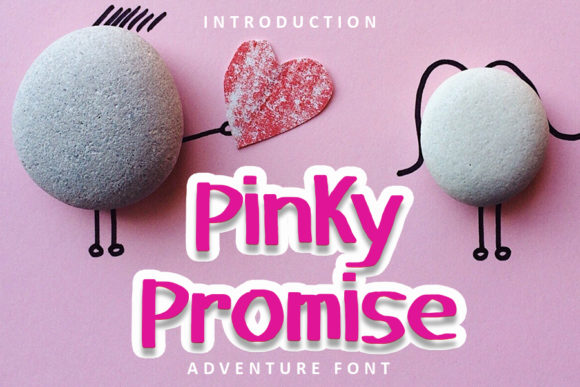
This cute and charming display font is designed to be whimsical and a bit quirky. It offers a unique visual language that can brighten up each of your designs, transforming standard layouts into engaging experiences. However, integrating such a specific stylistic element requires more than just dragging and dropping it onto a canvas. It demands an understanding of where it fits within your broader creative workflow, how it interacts with other design assets, and how to maintain consistency across various platforms. By approaching Pinky Promise as a strategic tool rather than a mere decorative afterthought, professionals can leverage its appeal to enhance brand identity, improve user engagement, and streamline their design execution.
Understanding the Role of Whimsical Typography in Modern Design
The digital landscape is saturated with information. To cut through the noise, brands and creators are increasingly turning to personality-driven design. While clean sans-serifs and structured serifs dominate technical documentation and corporate communications, there is a growing demand for fonts that evoke warmth, playfulness, and approachability. This is where Pinky Promise finds its niche.
Unlike rigid geometric fonts, Pinky Promise carries an inherent sense of informality and friendliness. Its quirks make it stand out, but its structure ensures it remains legible enough for short-form applications. When you add it confidently to your projects, you signal to your audience that your brand is human, accessible, and perhaps a little fun. This is particularly effective in sectors like education, lifestyle blogging, children’s products, and creative freelancing, where trust and rapport are built on perceived authenticity.
However, the use of such a distinctive font must be handled with precision. Overuse can lead to visual clutter, while underuse might fail to convey the intended mood. The key lies in treating the font as a focal point within a structured hierarchy. It should not compete with body text but rather complement it, acting as a visual anchor that draws attention to headlines, quotes, or call-to-action buttons.
Strategic Integration Across Project Lifecycles
To maximize the utility of Pinky Promise, it is helpful to view its application across different stages of a project lifecycle. Whether you are launching a new product, updating a blog, or creating social media assets, the font serves different functions at different times.
Pre-Production and Branding
During the initial planning phase, Pinky Promise can serve as a cornerstone for defining a brand’s voice. If you are developing a personal brand or a small business identity, incorporating this font into your logo concepts or primary color palette can establish a cohesive theme early on. It helps stakeholders visualize the end result, ensuring that the final output aligns with the desired whimsical aesthetic. In this stage, compatibility is key; ensure that the font pairs well with more neutral typefaces that will handle the heavy lifting of informational content.
Creative Execution and Content Creation
As you move into the execution phase, the font becomes a tool for emphasis. For bloggers and educators, using Pinky Promise for pull quotes, section headers, or special announcements can break up dense text and keep readers engaged. It adds a layer of visual interest that prevents fatigue during long reading sessions. Similarly, for marketers designing email newsletters, a headline set in Pinky Promise can increase open rates by standing out in a crowded inbox. The quirkiness acts as a hook, inviting the recipient to explore further.
Post-Publication and Community Engagement
The impact of Pinky Promise extends beyond the initial release. In community management and social media interaction, the font can be used to create templates for user-generated content campaigns, giveaways, or interactive polls. Because it feels friendly and non-threatening, it encourages participation. When users see consistent branding that includes this charming typeface, it reinforces recognition and loyalty over time.
Practical Implementation Tips for Seamless Workflow
Integrating Pinky Promise smoothly into your routine requires attention to detail regarding organization, quality control, and usability. Here are several practical strategies to ensure the font enhances rather than hinders your productivity.
- Maintain a Strict Hierarchy: Never let Pinky Promise dominate large blocks of text. Reserve it for titles, subtitles, and isolated phrases. Pair it with highly readable sans-serif fonts for body copy. This contrast creates balance and ensures that the whimsical nature of the display font does not compromise accessibility.
- Organize Your Asset Library: Keep your fonts organized in dedicated folders within your design software or cloud storage. Label versions clearly (e.g., regular, bold, italic) to avoid confusion during fast-paced projects. Having instant access to Pinky Promise reduces friction in your workflow, allowing you to apply it quickly when inspiration strikes.
- Test for Compatibility: Before finalizing any design, check how Pinky Promise renders across different devices and browsers. Display fonts can sometimes have rendering issues if they rely heavily on custom ligatures or complex glyphs. Ensure that the kerning and spacing look correct on mobile screens, where space is limited.
- Limit Color Palettes: Because Pinky Promise is visually busy due to its quirky shapes, pair it with simple, solid colors. Avoid complex gradients or patterns behind the text, as this can reduce legibility. Let the shape of the letters provide the visual weight.
Interacting with Other Tools and Resources
No design exists in isolation. Pinky Promise interacts dynamically with other elements such as imagery, layout grids, and interactive components. When working with illustrations, choose line art or hand-drawn styles that mimic the organic feel of the font. A mismatch between a rigid photograph and a playful font can create cognitive dissonance for the viewer.
In web design, consider how the font interacts with CSS animations. Subtle hover effects on headings set in Pinky Promise can enhance the user experience without overwhelming them. For example, a slight bounce or color shift on mouse-over can reinforce the whimsical character of the typeface. However, these interactions should be subtle enough to maintain professionalism.
For educators and publishers, the font can be integrated into learning materials to make educational content less intimidating. Using Pinky Promise for quiz titles or achievement badges can gamify the learning process, making it more appealing to younger audiences or those who find traditional academic layouts daunting.
Long-Term Consistency and Quality Control
Sustainability in design is about maintaining consistency over time. As your projects grow in scope, it becomes easier to lose track of typographic choices. Establishing a style guide that explicitly defines the usage rules for Pinky Promise is essential. Document when it should be used, what sizes are appropriate, and which colors are forbidden. This documentation serves as a reference for collaborators, ensuring that everyone involved in the project adheres to the same standards.
Regular audits of your existing content can also help. Look for instances where the font may have been overused or misapplied. Correcting these inconsistencies not only improves the overall quality of your portfolio but also strengthens your brand’s professional image. Remember, the goal is to love the results, and that satisfaction comes from knowing that every element, including the typography, has been chosen with intention and care.
Conclusion
Pinky Promise is more than just a cute font; it is a versatile asset that can elevate the emotional resonance of your designs. By understanding its quirks and integrating it thoughtfully into your workflows, you can create content that is not only visually appealing but also effective in achieving your communication goals. Whether you are a freelancer crafting a personal brand or a marketer launching a campaign, adding Pinky Promise to your toolkit allows you to connect with your audience on a deeper, more human level. Use it wisely, pair it strategically, and watch as your designs come alive with charm and personality.