Evaluating Builder: A Versatile Display Font for High-Impact Design Projects
Selecting the right typography is often one of the most critical decisions in visual communication. It dictates not only readability but also the emotional tone and perceived value of a design. Among the myriad of typefaces available, Builder has emerged as a distinct choice for designers seeking an elegant yet unique display font. Unlike standard serif or sans-serif fonts that prioritize neutrality, Builder offers a character-driven aesthetic suitable for high-visibility applications.
This evaluation explores what makes Builder distinct, its practical applications across various media, and how it compares to broader typographic categories. Whether you are designing a luxury wedding invitation or a bold brand logo, understanding the specific strengths and limitations of Builder will help you determine if it aligns with your project’s goals.
Understanding the Architecture of Builder
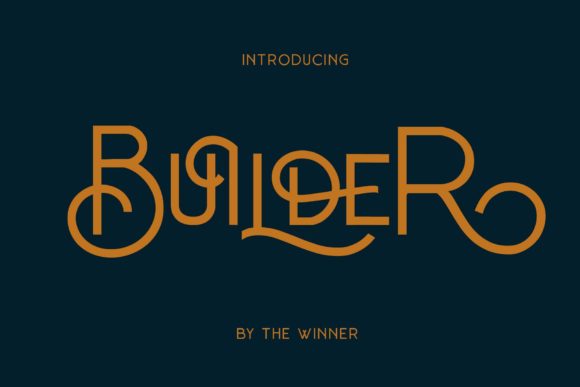
At its core, Builder is classified as a display font. This classification immediately signals its intended use: it is designed to be read at large sizes rather than in long paragraphs of body text. The font’s architecture emphasizes elegance and uniqueness, often featuring refined curves, deliberate spacing, and a polished finish that conveys sophistication.
The term "elegant" in typography often refers to fonts with high contrast between thick and thin strokes, or those with delicate serifs and refined proportions. "Unique" suggests that the letterforms possess distinctive characteristics that set them apart from generic market offerings. For instance, while many modern fonts lean heavily into geometric minimalism, Builder may incorporate subtle humanist touches or vintage-inspired details that give it personality without sacrificing clarity.
This combination of elegance and uniqueness makes Builder particularly effective in contexts where first impressions matter. It commands attention through its visual weight and stylistic flair, making it a powerful tool for branding and editorial design.
Key Use Cases and Applications
The versatility of Builder lies in its ability to adapt to various high-stakes design scenarios. Because it is a display font, its impact is maximized when used sparingly and strategically. Below are several common applications where Builder excels:
- Logos and Brand Identity: For brands aiming to project professionalism, creativity, or luxury, Builder provides a strong foundational element. Its unique letterforms can serve as a memorable mark or complement simpler iconography.
- Wedding Invitations and Stationery: The elegance of Builder aligns well with the formal and celebratory nature of weddings. It adds a touch of class to save-the-dates, invitations, and place cards, ensuring the text feels special and curated.
- Headings and Titles: In digital and print media, headings need to capture interest quickly. Builder’s distinct style ensures that titles stand out against more neutral body text, creating a clear visual hierarchy.
- T-Shirts and Apparel: Graphic tees often rely on typography as the central design element. Builder’s bold presence works well on fabric, offering a stylish alternative to blocky sans-serifs or overly ornate scripts.
- Letterhead and Corporate Stationery: While body text should remain readable, using Builder for company names or section headers on letterheads can elevate the perceived quality of business correspondence.
- Signage and Posters: From event posters to retail signage, Builder’s legibility at a distance combined with its aesthetic appeal makes it suitable for public-facing communications.
- Labels and Badges: Product packaging benefits from fonts that convey trust and quality. Builder can lend a premium feel to labels for artisanal goods, cosmetics, or beverages.
Comparative Analysis: Builder vs. Other Typographic Approaches
To make an informed decision, it is helpful to compare Builder against other common typographic strategies. Understanding these differences clarifies when Builder is the optimal choice and when another direction might be more appropriate.
Display Fonts vs. Body Text Fonts
The most fundamental distinction is between display fonts like Builder and functional body text fonts (such as Arial, Garamond, or Roboto). Body text fonts are engineered for readability over hundreds or thousands of words. They feature consistent x-heights, open counters, and neutral forms to reduce eye strain.
Builder, by contrast, sacrifices some of this utilitarian efficiency for artistic expression. Using Builder for long-form content would likely result in reader fatigue due to its decorative nature. Therefore, the primary tradeoff is readability versus impact. If your project requires extensive reading material, Builder should be reserved for headlines, with a complementary sans-serif or serif used for the body.
Modern Minimalism vs. Elegant Ornamentation
Current design trends often favor minimalism—clean lines, limited color palettes, and unadorned typefaces. However, there is a growing counter-trend toward "quiet luxury" and elegant ornamentation, where subtlety and refinement take precedence over stark simplicity.
Builder fits squarely into the latter category. Compared to ultra-minimalist geometric fonts, Builder offers more character and warmth. It avoids the coldness that can sometimes accompany strict geometric designs. This makes Builder a better choice for brands or events that want to appear approachable yet sophisticated, rather than purely corporate or tech-focused.
Script Fonts vs. Structured Display Fonts
Designers often consider script fonts for elegant projects because they mimic handwriting. However, scripts can vary widely in legibility and formality. Some scripts are too casual, while others are overly complex.
Builder offers a structured alternative to scripts. It maintains the elegance associated with calligraphy or cursive but retains the stability and precision of printed type. This makes Builder a safer choice for formal documents where clarity is paramount, such as legal notices or official certificates, where a flowing script might be difficult to decipher.
Decision Factors: When to Choose Builder
Selecting Builder is not just about aesthetic preference; it is about matching the font’s capabilities to the project’s requirements. Consider the following factors when evaluating Builder for your next design:
- Scale of Usage: Ensure the design allows for large, prominent text. Builder shines when it has room to breathe. Crowded layouts may diminish its impact.
- Brand Tone: Does your brand voice align with elegance and uniqueness? If your brand is rugged, industrial, or highly technical, Builder might feel out of place. It is best suited for industries like fashion, hospitality, arts, and luxury goods.
- Readability Needs: Assess the length of the text. If the message is brief—a slogan, a title, or a name—Builder is ideal. For longer messages, plan a pairing strategy.
- Versatility Requirements: Check if the font family includes multiple weights and styles. A robust family allows for greater flexibility in creating hierarchy within a single design piece.
Potential Limitations and Tradeoffs
No single typeface is perfect for every situation. Recognizing the limitations of Builder helps prevent misapplication. One potential drawback is its specificity. Because Builder has a strong identity, it may clash with other decorative elements. Pairing it with busy backgrounds or competing fonts can create visual noise.
Additionally, as a specialized display font, Builder may have fewer language support options compared to universal system fonts. If your project targets a global audience requiring extensive multilingual support, verify that Builder covers all necessary character sets. If not, you may need to use a secondary font for international versions of your content.
Practical Tips for Implementation
To maximize the effectiveness of Builder, consider these practical tips:
- Pairing Strategy: Combine Builder with a clean, neutral sans-serif for body text. This creates a balance between style and function. For example, pair Builder with a simple geometric sans-serif to maintain a modern look.
- Kerning and Tracking: Pay close attention to spacing. Elegant fonts often require slight adjustments to tracking (letter-spacing) to enhance their refined appearance. Loose tracking can add airiness, while tight tracking can create density.
- Color Contrast: Ensure sufficient contrast between the text and background. The elegance of Builder relies on clear visibility. Muted colors or low-contrast backgrounds can obscure its details.
- Contextual Relevance: Test the font in context. View it on the actual medium—whether it’s a screen, a printed card, or a t-shirt. Digital rendering may differ slightly from print, affecting the perception of its unique features.
Conclusion
Builder stands out as a compelling option for designers seeking a blend of elegance and uniqueness in their display typography. Its strength lies in its ability to elevate short-form text, making it ideal for logos, invitations, headings, and branding materials. By understanding its role as a display font and comparing it to alternatives like minimalist sans-serifs or flowing scripts, designers can make more informed choices.
Ultimately, the decision to use Builder depends on the specific needs of the project. If the goal is to communicate sophistication, creativity, and high quality through impactful visual text, Builder is a strong candidate. However, it should always be part of a broader typographic strategy that prioritizes readability and contextual appropriateness. By leveraging Builder’s distinct characteristics thoughtfully, you can create designs that resonate with your audience and leave a lasting impression.