The Art of Minimalism: Why Longlive is the Essential Thin Display Font for Modern Designers
In a digital landscape saturated with bold, heavy, and often chaotic visual noise, there is a growing appetite for silence. Not the absence of sound, but the absence of clutter. This is where Longlive steps in. It is not just another typeface; it is a strategic design asset that brings a refined, airy elegance to any project. As a thin, neat, and unique display font, Longlive offers a distinct personality that can elevate even the most mundane layouts into something extraordinary.
Designers are constantly searching for tools that offer versatility without compromising on character. You might find fonts that are highly readable but lack flair, or perhaps display fonts that scream for attention but fail to provide subtlety. Longlive strikes a rare balance. It is crisp enough for high-impact headlines yet delicate enough to maintain a sense of sophistication. Whether you are working on a luxury brand identity, a minimalist web interface, or an editorial layout, this font has the potential to become an incredibly valuable asset to your fonts library.
Understanding the Anatomy of Elegance
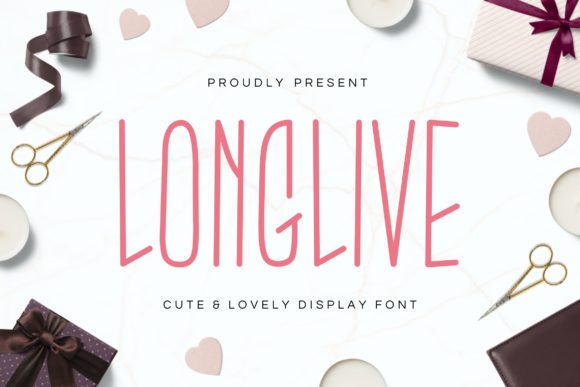
To truly appreciate why Longlive deserves a spot in your toolkit, one must look at its structural integrity. The term "thin" in typography does not merely refer to weight; it refers to presence. A thin font requires precision. If the spacing (kerning) or the proportions are off, the text becomes illegible or visually unstable. Longlive avoids these pitfalls through meticulous engineering.
- Precision in Stroke Width: The uniformity of the thin strokes creates a cohesive visual rhythm. This consistency ensures that when Longlive is used in large sizes, it maintains a clean, unbroken flow that guides the eye smoothly across the page.
- Neatness as a Feature: "Neat" is often an understated compliment in design, but here it is a defining characteristic. The letterforms are tight, organized, and free of unnecessary flourishes. This cleanliness allows the font to act as a neutral canvas upon which other design elements can shine, rather than competing with them.
- Unique Proportions: Every great display font has a "hook"—a unique quirk that makes it memorable. Longlive’s uniqueness lies in its slightly extended x-height and precise geometric curves. These subtle details give it a modern, almost architectural feel, distinguishing it from standard sans-serifs like Helvetica or Arial.
When you select Longlive, you are selecting a font that respects negative space. In an era where screen real estate is premium, using a font that naturally breathes allows your content to feel less crowded. This is particularly effective in hero sections of websites, where the headline needs to make an immediate, sophisticated impact without shouting.
Elevating Brand Identity Through Subtlety
Branding is no longer about being the loudest voice in the room; it is about being the most trustworthy and refined. Luxury brands, from high-end fashion houses to boutique hotels, understand this principle deeply. They use whitespace and minimalism to convey exclusivity. Longlive is perfectly suited for this aesthetic.
Imagine a website for a high-end jewelry designer. Using a heavy, bold font might feel too industrial or aggressive. Longlive, with its slender lines, mirrors the delicacy of the products being sold. It suggests precision, care, and quality. The font itself becomes part of the narrative, communicating values before the user even reads the copy.
This application extends beyond physical products. Consider tech startups aiming to appear innovative and forward-thinking. A sleek, thin display font can signal efficiency and modernity. It suggests a company that values clarity over complexity. By integrating Longlive into their logo or primary headings, these companies establish a visual language that aligns with their mission statement: simple, smart, and enduring.
The Power of Contrast in Mixed Typography
One of the most practical ways to utilize Longlive is by pairing it with contrasting typefaces. Because Longlive is a display font, it is best used sparingly—typically for headlines, titles, and short phrases. Pairing it with a highly readable body font creates a dynamic hierarchy.
- Pairing with Serifs: Combining the modern, geometric thinness of Longlive with a classic serif body font (like Garamond or Baskerville) creates a timeless, editorial look. This combination works exceptionally well for magazines, blogs, and long-form articles where authority and tradition meet modern design sensibilities.
- Pairing with Sans-Serifs: For a more contemporary, corporate feel, pair Longlive with a humanist sans-serif. The contrast between the decorative nature of the display font and the functional nature of the body text ensures readability while maintaining visual interest.
This strategy prevents the design from feeling flat. Without variation, even the best font can become monotonous. Longlive provides that necessary spark of personality, allowing the rest of the typography to do the heavy lifting of communication.
Practical Applications Across Industries
While Longlive shines in digital media, its utility extends into various physical and creative domains. Its adaptability is what makes it such a robust addition to any designer's arsenal. Here are a few scenarios where Longlive proves its worth:
Editorial and Print Media: In magazine covers and book titles, space is limited, and impact is everything. Longlive’s thin lines allow for larger point sizes without overwhelming the composition. It looks stunning embossed on paper or printed in metallic foils, where the light catches the edges of the letters, enhancing their delicate structure.
Event Design and Invitations: Weddings, galas, and corporate events often require a tone of formality and grace. Longlive fits this bill perfectly. It conveys elegance without being overly ornate or difficult to read. Its neatness ensures that important details like dates and venues remain clear, while the overall aesthetic feels curated and expensive.
App Interface Design: While body text in apps usually requires higher legibility weights, Longlive can be effectively used for empty states, loading screens, or promotional banners within an app. It adds a layer of polish that can differentiate a generic app from one that feels crafted with care.
Considerations for Implementation
Adopting a new font involves more than just dragging and dropping it into your software. To get the most out of Longlive, designers must consider context and scale. Because it is a thin font, it can lose definition if scaled down too small. Therefore, it is crucial to reserve Longlive for display purposes—sizes typically 24pt and above in print, or equivalent pixel heights in digital design.
Another consideration is color. Thin fonts rely heavily on contrast against their background. White text on a light gray background may disappear, whereas black text on white will pop with sharp clarity. Experimenting with dark mode interfaces can also yield striking results, where the thin white lines of Longlive stand out crisply against deep blacks and dark grays.
Furthermore, accessibility should always be a priority. While Longlive is beautiful, ensure that the surrounding body text meets WCAG (Web Content Accessibility Guidelines) standards. Use Longlive to draw attention to key messages, but rely on robust, readable fonts for the bulk of information consumption. This hybrid approach maximizes both aesthetics and usability.
Why Longlive Belongs in Your Library
Ultimately, a font library is a collection of voices. Some shout, some whisper, and some sing. Longlive is the whisper that turns heads. In a world obsessed with volume, there is immense power in restraint. This font offers a professional, polished solution for designers who want to communicate sophistication without sacrificing clarity.
It is versatile enough to work in a startup pitch deck and elegant enough for a luxury wedding invitation. It is neat enough to keep a layout organized and unique enough to prevent it from looking generic. By adding Longlive to your resources, you are investing in a tool that can instantly upgrade the perceived value of your work. It is not just a font; it is a statement of intent—a commitment to quality, precision, and timeless design. No matter the topic, Longlive will serve as an incredible asset, proving that sometimes, less is indeed more.