Cherry Pie: A Modern Display Font for Bold Branding
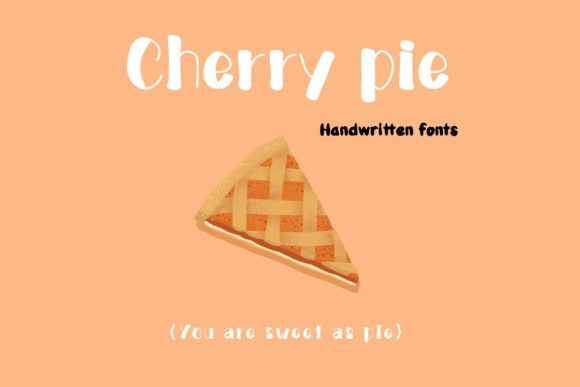
In the crowded landscape of digital design, finding a typeface that commands attention without sacrificing readability is a constant challenge. Designers often struggle to balance aesthetic flair with functional clarity, especially when working on projects that demand both style and substance. Enter Cherry Pie, a modern display font that bridges this gap with remarkable ease. Defined by its smooth lines, daring personality, and stylish structure, Cherry Pie offers a versatile solution for creators who want their work to stand out. Whether you are building a fashion brand identity or laying out an editorial spread, this font provides the confidence needed to make a strong visual statement.
Understanding the Anatomy of Cherry Pie
What makes Cherry Pie interesting is not just its appearance but how it functions within a layout. Unlike many decorative fonts that prioritize novelty over legibility, Cherry Pie is engineered to be readable even at smaller sizes or in complex compositions. Its character shapes are crafted with precision, ensuring that every curve and angle contributes to a cohesive visual rhythm. The "smooth lines" mentioned in its description are not merely aesthetic choices; they reduce visual clutter, allowing the eye to move naturally across the text.
This font is particularly effective because it avoids the pitfalls of overly ornate typefaces. It does not rely on excessive serifs or erratic weights to grab attention. Instead, it uses a confident, clean geometry that feels contemporary and fresh. For designers, this means less time spent adjusting kerning or fighting against the font’s inherent quirks. For clients, it means a result that looks polished and professional from the first draft. The font’s ability to remain stylish while maintaining accessibility makes it a valuable asset in any designer’s toolkit.
Creative Applications Across Industries
One of the strongest arguments for using Cherry Pie is its adaptability. While it shines in high-fashion contexts, its utility extends far beyond the runway. Here is how different professionals can leverage its unique qualities:
- Fashion and Lifestyle Brands: For clothing labels, beauty products, or lifestyle blogs, Cherry Pie offers an air of sophistication. Use it for headlines on lookbooks, packaging labels, or social media graphics. The font’s daring nature complements bold imagery, creating a harmonious blend of text and visual content.
- Editorial and Publishing: Magazine editors and blog publishers can use Cherry Pie to break up dense text. It works exceptionally well as a drop cap, a section header, or a pull quote accent. Because it is readable, it can handle longer titles without overwhelming the reader, making it ideal for long-form articles that need visual hierarchy.
- Small Business Marketing: Entrepreneurs launching new products often need to communicate quality and trust quickly. Cherry Pie’s clean lines convey reliability, while its stylish curves add a touch of creativity. It is perfect for website headers, email newsletter subject lines, and promotional flyers where you need to capture interest instantly.
- Event and Hospitality Design: Restaurants, cafes, and event planners can use this font to create inviting atmospheres. Menu headings, invitation cards, and signage benefit from the font’s approachable yet elegant tone. It suggests a curated experience without feeling stiff or formal.
Building a Cohesive Visual Identity
When integrating Cherry Pie into a project, consistency is key. To keep results clear and organized, pair it with complementary typefaces. Since Cherry Pie is a display font, it works best when contrasted with a neutral sans-serif or serif body text. This combination ensures that the headline grabs attention while the supporting text remains easy to read. For example, pairing Cherry Pie with a simple geometric sans-serif like Helvetica or Open Sans creates a balanced layout that feels modern and uncluttered.
Consider the color palette as well. Cherry Pie’s smooth lines respond well to both vibrant and muted tones. For a bold impact, try deep reds or blacks against white backgrounds. For a softer, more sophisticated look, experiment with pastel shades or metallic accents. The font’s versatility allows it to adapt to various moods, making it suitable for everything from energetic startup launches to serene wellness retreats.
Practical Tips for Implementation
To get the most out of Cherry Pie, consider these practical guidelines during your design process:
- Use It Sparingly: As a display font, Cherry Pie is most effective when used for short bursts of text. Reserve it for titles, subtitles, and key phrases. Overusing it can lead to visual fatigue, reducing the overall impact of your design.
- Pay Attention to Spacing: Even though the font is designed for readability, proper tracking and leading are essential. Give the letters room to breathe, especially when using larger point sizes. This enhances the smoothness of the lines and prevents the text from looking cramped.
- Test Across Devices: In today’s multi-platform world, your design must look good everywhere. Test Cherry Pie on mobile screens, tablets, and desktops to ensure it maintains its legibility and charm. Adjust sizes if necessary to guarantee a seamless user experience.
- Experiment with Hierarchy: Use variations in weight and size to create depth. If Cherry Pie offers multiple weights, utilize them to distinguish between primary and secondary information. This helps guide the viewer’s eye through your content logically.
Why Cherry Pie Stands Out
The market is saturated with typefaces, yet few manage to strike the right balance between trendiness and timelessness. Cherry Pie achieves this by focusing on fundamental design principles. It does not chase fleeting fads; instead, it relies on timeless elegance and structural integrity. This makes it a safe choice for brands that want to appear current without risking obsolescence. When you add it confidently to your projects, you are investing in a tool that supports your creative vision rather than distracting from it.
For freelancers and agencies alike, having access to a font like Cherry Pie streamlines the workflow. It reduces the need for extensive customization or manual adjustments, allowing designers to focus on strategy and concept development. The result is a more efficient process and a final product that meets client expectations with minimal friction. Clients appreciate fonts that enhance their message, and Cherry Pie delivers exactly that—a clear, compelling voice for your brand.
Conclusion
Design is about communication, and typography is one of the most powerful tools in that communication. Cherry Pie offers a unique blend of style and function that appeals to a wide range of users. From fashion editors to small business owners, anyone looking to elevate their visual presence will find value in this font. By understanding its strengths and applying it thoughtfully, you can create designs that are not only beautiful but also effective. Embrace the smooth lines and daring spirit of Cherry Pie, and watch your projects come to life with renewed energy and clarity.