The Happiest Hippy: A Clean Brushed Display Font for Modern Creatives
In a digital landscape saturated with rigid grids and sterile sans-serifs, there is often a craving for something that feels tactile, human, and unapologetically authentic. Enter The Happiest Hippy, a clean and neat paint brushed display font that bridges the gap between professional polish and artistic spontaneity. It isn’t just another decorative typeface; it is a design asset with the potential to enhance any creation by injecting warmth and personality without sacrificing legibility.
For designers, entrepreneurs, and content creators looking to elevate their visual storytelling, understanding the nuances of a premium font like this can be the difference between a project that looks assembled and one that feels crafted. This article explores how The Happiest Hippy fits into modern typography workflows, from brand identity systems to social media graphics, providing practical guidance on its application and impact.
Visual Characteristics and Personality
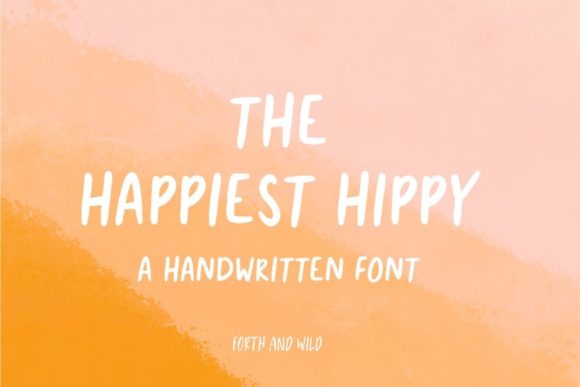
To truly appreciate The Happiest Hippy, one must look past the label of "handwritten font" or "script font." While it shares DNA with those categories, its execution is distinct. The font mimics the stroke of a paintbrush but retains a level of structural integrity that prevents it from feeling messy or illegible at smaller sizes. This is what defines it as a high-quality display font. The strokes vary in weight naturally, suggesting the pressure of a real brush, yet the edges remain crisp enough to maintain clarity across various mediums.
The personality of the typeface is best described as approachable, joyful, and relaxed. It evokes a sense of creativity and freedom, which is why it resonates so well with audiences seeking authenticity. Unlike formal serif fonts that command authority through tradition, or stark sans-serif fonts that prioritize efficiency, The Happiest Hippy invites the viewer in. It feels like a personal note written by a friend who happens to have excellent taste. This emotional connection is crucial in marketing and branding, where the goal is often to build trust and rapport rather than just convey information.
Visually, the font features organic curves and dynamic angles. The "clean and neat" descriptor is key here; many brush fonts suffer from excessive splatter or inconsistent baseline alignment, which can make them difficult to use in professional settings. The Happiest Hippy avoids these pitfalls. Its consistency allows it to function reliably in layouts where other creative fonts might fail. Whether used for a single headline or a short tagline, it maintains a cohesive visual rhythm that guides the eye smoothly across the page.
Where The Happiest Hippy Works Best
Understanding the right context for a typeface is as important as choosing the typeface itself. The Happiest Hippy shines in applications where emotional resonance and visual interest take precedence over dense body text. Here are several areas where this font delivers exceptional value:
- Branding and Logo Design: For small businesses, cafes, boutiques, or creative agencies, a logo needs to stand out. The Happiest Hippy offers a unique signature style that can serve as the cornerstone of a brand identity. Its distinctive character helps create immediate recognition, setting a brand apart from competitors using more generic geometric or humanist sans-serif fonts.
- Packaging Design: In the world of consumer goods, shelf appeal is everything. Whether designing labels for artisanal foods, cosmetics, or craft beverages, The Happiest Hippy adds a touch of handmade quality that appeals to consumers looking for authenticity. It suggests that the product inside was made with care, enhancing perceived value.
- Social Media Graphics: Content creators need to capture attention quickly. When designing posts for Instagram, Pinterest, or Facebook, using The Happiest Hippy for quotes, announcements, or event details can boost engagement. Its readability ensures the message is understood instantly, while its style keeps the user scrolling.
- Editorial and Print Projects: Magazines, zines, and brochures benefit from the mix of modern typography and traditional feel. The font works beautifully as a pull quote or a section header, breaking up blocks of text and adding visual hierarchy. It pairs exceptionally well with clean, minimal backgrounds, allowing the letterforms to breathe.
- Web Design Elements: While not suitable for long paragraphs, The Happiest Hippy is an excellent choice for hero headers, call-to-action buttons, or navigation accents. It adds a layer of sophistication to web interfaces that might otherwise feel too corporate or cold.
It is also worth noting that The Happiest Hippy is versatile enough for personal projects. Hobbyists working on scrapbooks, wedding invitations, or custom gifts will find it easy to use and highly effective. The font’s friendly demeanor makes it suitable for occasions that require a warm, celebratory tone.
Strategic Application and Pairing
One of the most common challenges in typography is font pairing. Using a strong display font like The Happiest Hippy requires balancing it with a neutral companion. Because the brush font carries significant visual weight and personality, it should be paired with a simple, understated typeface to ensure readability and balance.
A classic combination would be pairing The Happiest Hippy with a clean sans serif font for body text. The contrast between the organic, expressive brush strokes and the geometric precision of a sans-serif creates a dynamic tension that is pleasing to the eye. Alternatively, for a more traditional or editorial look, it can be paired with a subtle serif font. The key is to let The Happiest Hippy be the star while the secondary font provides structure and support.
When evaluating project fit, consider the scale of usage. As a commercial font, it is designed to be seen. Therefore, it should be used at sizes where its details are visible. Using it at very small sizes can cause the brush-like textures to blur or become muddy, reducing legibility. Always test your designs at actual viewing sizes to ensure the font performs as intended.
Readability and visual hierarchy are paramount in effective design. By using The Happiest Hippy strategically—perhaps for headlines only—you guide the audience’s attention effectively. This approach enhances professionalism because it demonstrates a deliberate choice in typography rather than a random selection of pretty letters. Consistency in font usage reinforces brand recognition, making your communications more memorable over time.
Practical Considerations for Creators
Before incorporating The Happiest Hippy into your workflow, there are practical steps to ensure you get the most out of this design asset. First, review the included styles. Does the package offer multiple weights or variations? Having access to different styles within the same family allows for greater flexibility in creating depth and emphasis within a single design.
Testing is essential. Create mockups for different contexts—a business card, a website banner, a product label—to see how the font behaves in each scenario. Pay attention to kerning and spacing; even good fonts may require manual adjustments to look perfect in specific combinations of letters. Taking the time to refine these details elevates the final output from amateur to expert.
Finally, always check the licensing terms. Understanding whether the font is intended for personal use, commercial use, or both is critical for protecting your work. The Happiest Hippy is marketed as a tool for enhancement, implying broad utility, but verifying the license ensures you can use it confidently in client projects or published materials without legal concerns.
In conclusion, The Happiest Hippy is more than just a decorative element; it is a powerful tool for communication. Its blend of cleanliness and artistic flair makes it a valuable addition to any designer’s library. By applying it thoughtfully, considering its strengths in branding, packaging, and digital media, and pairing it wisely with complementary typefaces, you can create designs that are not only visually striking but also emotionally engaging. In an era where connection matters, a font that speaks with a clear, happy voice can make all the difference.