Baby Easter: Integrating a Thematic Display Font into Professional and Creative Workflows
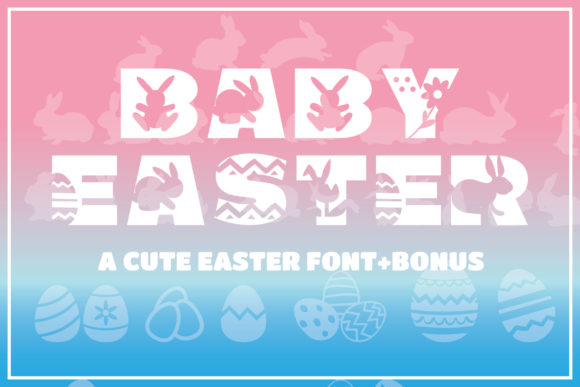
In the landscape of digital design and content creation, typography serves as more than just a vehicle for text; it is a primary tool for establishing tone, hierarchy, and emotional resonance. While most professionals rely on robust sans-serifs or highly legible serifs for body copy, display fonts occupy a specialized niche within the creative process. Baby Easter is a prime example of this category—a beautiful display font with an Easter holiday theme designed to brighten up any themed project.
For creators, marketers, and small business owners, integrating such specific thematic assets requires careful planning. It is not merely about selecting a font that looks festive; it involves understanding how the visual weight, style, and cultural connotations of the typeface interact with broader brand guidelines and user experience goals. This article outlines the practical implementation of Baby Easter in various professional contexts, focusing on workflow integration, compatibility, and strategic usage.
Understanding the Asset: Typography as a Workflow Component
Before diving into application, it is essential to define what Baby Easter brings to a design stack. As a display font, it is intended for large sizes and short bursts of text—headlines, titles, posters, and social media graphics. It is generally unsuitable for body copy due to its decorative nature, which can impede readability at smaller scales. Recognizing this limitation is the first step in efficient resource management.
The font’s Easter holiday theme suggests a seasonal, cheerful, and perhaps slightly whimsical aesthetic. For entrepreneurs and educators, this means the font acts as a signal to the audience, setting expectations for content that is lighthearted, celebratory, or community-focused. In a workflow, this clarity prevents misalignment between the visual asset and the intended message. When you know exactly what a font communicates, you reduce the cognitive load during the editing and approval phases.
Preparation and Asset Management
Effective implementation begins before the design software is even opened. Proper preparation ensures that Baby Easter is readily available and correctly licensed for your specific use case. Whether you are a freelancer working on a client campaign or a blogger planning a seasonal newsletter, follow these preparatory steps:
- License Verification: Confirm the usage rights. Commercial projects, such as product packaging for a small business selling Easter baskets, often require different licensing tiers than personal blogs or internal educational materials. Ensure compliance to avoid legal friction later in the process.
- File Organization: Store the font files (typically .OTF or .TTF) in a dedicated, searchable directory. Naming conventions like "Baby_Easter_Display_Regular.otf" aid in quick retrieval during high-pressure production cycles.
- Previewing: Test the font across different mediums early. How does it render on a mobile screen versus a printed flyer? Display fonts can behave unpredictably when scaled down or converted to web formats, so identifying these issues during the preparation phase saves time during execution.
Strategic Application in Digital Marketing
For marketers and social media managers, Baby Easter offers a distinct opportunity to break through the visual noise of seasonal feeds. However, integration must be handled with precision to maintain brand integrity while leveraging the holiday theme.
Social Media Campaigns
When planning a series of posts leading up to Easter, consistency is key. Use Baby Easter for the primary headline on each graphic to create a recognizable visual thread. Because the font is thematic, it should be paired with neutral, clean fonts for any secondary information, such as dates, times, or calls to action. This contrast ensures that the festive element draws attention without sacrificing clarity.
Consider the following workflow for creating cohesive social assets:
- Template Creation: Design a master template in your preferred design tool (e.g., Canva, Adobe Illustrator). Apply Baby Easter to the header placeholder.
- Variable Content: Keep the background colors and imagery consistent with your brand palette, allowing the font to provide the seasonal variation.
- Quality Control: Check kerning and spacing. Decorative fonts often have irregular character widths. Adjust tracking manually if necessary to ensure the headline feels balanced.
Email Newsletters
Seasonal newsletters benefit from a touch of personality, but email clients have strict rendering limitations. While Baby Easter may look stunning in a design mockup, it might not support all email platforms. To mitigate this risk:
- Web-Safe Alternatives: If sending via HTML email, consider embedding the font or using a fallback system. Alternatively, convert headlines to images only if the font is critical to the brand identity, though this impacts accessibility.
- Subject Lines: Avoid using the font in the subject line itself, as most email clients strip custom styling there. Instead, use standard bold text and reserve Baby Easter for the preheader or the hero image within the email body.
Physical Products and Brand Collateral
Small business owners and hobbyists often bridge the gap between digital and physical media. Baby Easter is particularly effective in print-based applications where the tactile experience enhances the visual appeal.
Packaging and Labels
If you produce handmade goods, such as candles, baked treats, or crafts, Baby Easter can elevate the perceived value of your products. A well-designed label featuring this display font signals care and attention to detail. However, legibility remains paramount. Ensure that critical information—ingredients, warnings, and contact details—is set in a highly readable sans-serif font beneath the decorative title.
To streamline this process:
- Mockups: Create digital mockups of your packaging using Baby Easter before committing to print runs. This allows you to visualize how the font interacts with different paper textures and ink colors.
- Color Contrast: Test the font against various background colors. Light pastel backgrounds, common in Easter themes, may wash out certain font weights. Opt for darker shades or add a subtle drop shadow if supported by your printing method.
Event Materials
Educators and event planners organizing spring-themed workshops or community gatherings can use Baby Easter for invitations, banners, and signage. The font’s cheerful nature aligns well with community-building activities. When designing these materials, focus on hierarchy. Use Baby Easter for the main event title, but rely on simpler fonts for logistical details like address and time. This separation ensures that attendees can quickly find the information they need without being distracted by the decorative elements.
Technical Considerations and Long-Term Maintenance
Integrating a specialized font like Baby Easter into long-term projects requires attention to technical details. Fonts are dynamic assets that can change over time due to updates, format changes, or licensing shifts.
Web Integration
If you are incorporating Baby Easter into website headers or blog post titles, consider the impact on page load speed. Custom fonts increase the number of HTTP requests and file size. To optimize performance:
- Subset the Font: Generate a webfont subset that includes only the characters you need (e.g., uppercase letters and basic punctuation). This significantly reduces file size.
- Use @font-face Wisely: Declare the font in your CSS with appropriate fallback stacks. For example: font-family: 'Baby Easter', cursive, sans-serif;. This ensures that if the custom font fails to load, the browser falls back to a generic cursive font, maintaining some level of stylistic intent.
Accessibility Standards
As a professional practice, always prioritize accessibility. Decorative fonts can pose challenges for users with dyslexia or visual impairments. Use Baby Easter sparingly and never as the sole font for important informational content. Ensure sufficient color contrast between the text and background, adhering to WCAG (Web Content Accessibility Guidelines) standards. This approach not only broadens your audience reach but also demonstrates ethical design practices.
Conclusion: Balancing Creativity with Functionality
Baby Easter is more than just a pretty typeface; it is a strategic tool that, when used correctly, can enhance the emotional impact of your projects. By treating it as a component within a larger workflow—considering preparation, compatibility, and user experience—you can leverage its strengths while avoiding common pitfalls. Whether you are crafting a social media campaign, designing product packaging, or organizing a community event, the thoughtful integration of thematic fonts like Baby Easter contributes to a polished, professional, and engaging final output.
Remember that the goal of any design decision is to serve the user. Let the font guide the eye, set the mood, and reinforce the message, but always keep clarity and functionality at the forefront of your process. With careful planning and execution, Baby Easter can become a valuable asset in your creative toolkit, helping you connect with your audience in meaningful and memorable ways.