Modern Building Font Evaluation
In the landscape of digital typography, selecting the right typeface is rarely just about aesthetic preference; it is a strategic decision that influences readability, brand perception, and user experience. Among the myriad of options available to designers and developers, Modern Building has emerged as a distinct choice for those seeking a balance between structural clarity and organic warmth. This article provides an objective evaluation of Modern Building, exploring its characteristics, ideal use cases, and potential limitations to help you determine if it aligns with your specific design goals.
Understanding Modern Building
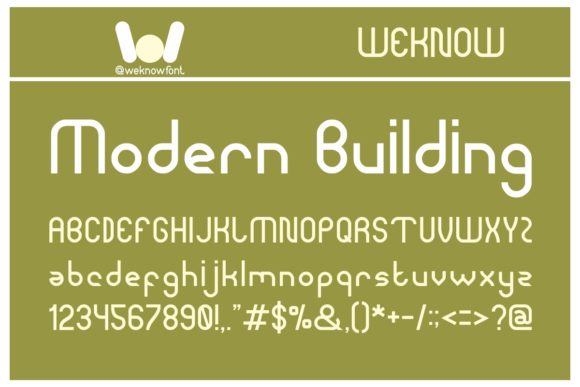
Modern Building is classified as a simple and natural display font. Unlike highly stylized or decorative typefaces that demand attention through complexity, Modern Building relies on clean lines and uncluttered forms. The term "modern" in its name suggests a connection to contemporary design principles—minimalism, functionality, and clarity—while "building" implies a sense of structure, stability, and foundation. This combination results in a typeface that feels both grounded and current.
The font’s versatility is one of its most notable attributes. It is designed to be utilized for a variety of formal or informal designs. This dual capability means that a designer can deploy Modern Building in a corporate annual report without losing professionalism, yet also use it in a casual blog post or social media graphic without appearing stiff or overly rigid. For individuals researching fonts for a new project, this adaptability reduces the need for multiple typeface pairings, streamlining the design process.
Key Characteristics and Design Philosophy
To evaluate whether Modern Building is suitable for your needs, it is essential to understand its visual mechanics. As a display font, it is optimized for impact at larger sizes. However, its simplicity allows it to function effectively in smaller contexts as well, provided the hierarchy is clear. The letterforms are constructed with a natural rhythm, avoiding the mechanical precision of geometric sans-serifs while steering clear of the idiosyncrasies found in handwritten scripts.
- Structural Integrity: The font exhibits strong vertical stems and consistent spacing, contributing to a sense of reliability and trustworthiness.
- Natural Flow: The curves and terminals of the letters soften the overall appearance, making text more approachable and less sterile than many traditional modernist fonts.
- Clean Aesthetics: With minimal ornamentation, Modern Building ensures that content remains the focal point rather than the typography itself.
These features make it particularly effective for headlines, subheadings, and key messaging where immediate comprehension is required. When added confidently to a layout, the font tends to elevate the perceived quality of the design by providing a solid typographic backbone.
Benefits of Using Modern Building
There are several practical advantages to incorporating Modern Building into your design toolkit. First, its versatility allows for broader application across different media channels. Whether you are designing a website header, a print brochure, or a mobile app interface, the font maintains its legibility and aesthetic integrity. This consistency is crucial for maintaining brand cohesion.
Second, the font supports readability. In an era where users skim content rapidly, clear and unambiguous letterforms reduce cognitive load. Modern Building’s simple structure allows the eye to move smoothly across lines of text, enhancing the overall reading experience. This is particularly beneficial for informational websites, educational platforms, and news outlets where clarity is paramount.
Additionally, Modern Building offers a professional yet accessible tone. It avoids the coldness associated with some corporate fonts while lacking the informality that might undermine credibility in serious contexts. This balance makes it a safe and effective choice for businesses looking to project competence without sacrificing warmth.
Tradeoffs and Considerations
While Modern Building is a robust option, no single typeface is a universal solution. Understanding its limitations is critical for making an informed decision. As a display font, its primary strength lies in larger sizes. Using it for extended body copy may result in visual fatigue over long passages, especially if the line height and spacing are not carefully managed. Designers should consider pairing Modern Building with a highly readable serif or sans-serif font for longer texts to create a balanced typographic hierarchy.
Another consideration is the uniqueness factor. Because Modern Building adheres to classic modernist principles, it may lack the distinctive character needed for brands seeking to stand out through unconventional typography. If your goal is to create a highly unique or avant-garde visual identity, you might find that more experimental typefaces better serve your narrative.
Furthermore, availability and licensing should always be verified. While many modern fonts are widely accessible, ensuring proper licensing for commercial use is essential to avoid legal complications. Always check the specific terms associated with Modern Building before integrating it into client projects or products.
Ideal Use Cases
Modern Building shines in scenarios where clarity, structure, and approachability are prioritized. It is an excellent fit for:
- Corporate Branding: Logos, business cards, and marketing materials for companies in tech, construction, finance, or consulting sectors benefit from the font’s stable and professional appearance.
- Digital Interfaces: Headlines and navigation elements on websites and apps can leverage the font’s clean lines to guide users effectively without distracting from content.
- Educational Materials: Textbooks, e-learning modules, and informational posters can use Modern Building to present complex information in an organized and digestible manner.
- Lifestyle and Wellness Brands: The natural aspect of the font aligns well with brands focused on health, sustainability, and community, conveying a sense of organic growth and well-being.
When to Consider Alternatives
There are situations where other typefaces may be more appropriate. If your project requires a high degree of stylistic flair or historical reference, a serif font or a script typeface might better convey the desired mood. For instance, a luxury fashion brand might prefer a high-contrast serif to evoke elegance, while a playful children’s brand might opt for a rounded, whimsical font.
Additionally, if your design demands extensive multilingual support, it is important to verify that Modern Building includes the necessary character sets for all target languages. Some modern fonts have limited glyph coverage, which can restrict their global applicability. In such cases, choosing a font with comprehensive Unicode support would be a more prudent decision.
Practical Decision-Making Insights
When evaluating Modern Building against other options, consider the following questions to guide your selection process:
- What is the primary communication goal? If the goal is to inform clearly and build trust, Modern Building is a strong candidate.
- Who is the target audience? Does the audience respond better to structured, professional aesthetics or more expressive, emotional ones?
- How will the font be used? Will it be used primarily for headlines, body text, or both? Remember that display fonts are best suited for short bursts of text.
- Does it align with the brand voice? Ensure that the personality conveyed by Modern Building matches the core values and tone of your brand.
By systematically assessing these factors, you can determine whether Modern Building is the right tool for your project. It is a reliable, versatile, and aesthetically pleasing font that serves a wide range of design needs. Its ability to bridge the gap between formal and informal contexts makes it a valuable asset for designers looking to create cohesive and effective visual communications.
Conclusion
Modern Building stands out as a thoughtful addition to the typographic landscape. Its simple and natural design language offers a refreshing alternative to overly complex or sterile typefaces. By understanding its strengths in clarity and versatility, as well as its limitations in stylistic uniqueness and body text suitability, designers can make informed decisions about its application. When added confidently to a design project, Modern Building delivers results that are both visually appealing and functionally sound, helping to communicate messages with precision and grace.