Cheese Greater Font Evaluation
When selecting a typeface for a design project, the choice often hinges on more than just legibility; it involves capturing a specific mood, tone, and aesthetic identity. Among the myriad of display fonts available to designers, Cheese Greater has emerged as a distinctive option that appeals to those seeking a blend of whimsy and authenticity. Described as a cute and genuine display font, Cheese Greater offers a natural and unique style that can elevate various creative endeavors. However, like any typographic tool, its effectiveness depends heavily on context, application, and the specific goals of the project.
Understanding the Aesthetic Identity
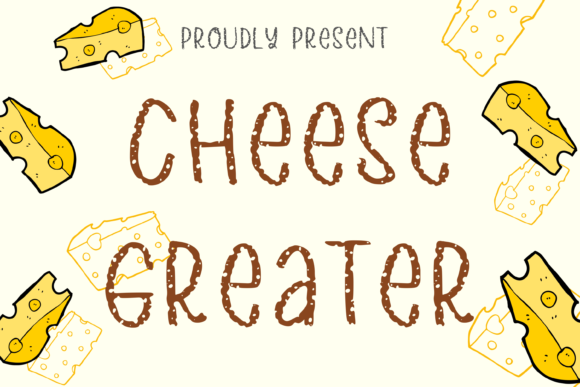
To evaluate whether Cheese Greater is suitable for your needs, it is essential to first understand its visual characteristics. The font is categorized as a display typeface, meaning it is designed primarily for large sizes rather than body text. Its "cute" designation suggests a playful, approachable, and perhaps slightly informal character set. This is not a rigid, corporate sans-serif or a traditional serif meant for serious academic publishing. Instead, Cheese Greater leans into personality.
The term "genuine" in its description implies an organic quality. Rather than appearing overly polished, digital, or sterile, the letterforms likely possess irregularities or hand-crafted nuances that mimic human touch. This natural style makes the font feel less manufactured and more relatable. For designers, this translates to a typeface that can inject warmth and friendliness into a layout without requiring extensive graphic embellishment. The uniqueness of the style ensures that it stands out in crowded visual environments, such as social media graphics, event posters, or packaging labels where immediate visual impact is crucial.
Practical Applications and Strong Fits
Cheese Greater shines in scenarios where brand voice is casual, youthful, or artisanal. Its versatility allows it to fit a large pool of designs, but certain sectors will benefit from its presence more than others. Below are several situations where this font serves as a strong fit:
- Food and Beverage Branding: Given its name and playful nature, Cheese Greater is particularly effective for cafes, bakeries, ice cream shops, or specialty food products. It evokes a sense of comfort and homemade quality, which aligns well with brands that want to emphasize ingredient honesty or a cozy atmosphere.
- Children’s Products and Education: For toys, educational materials, or children’s clothing, the "cute" aspect of the font resonates with both parents and young audiences. It signals safety, fun, and accessibility, making complex information feel less intimidating.
- Lifestyle and Wellness: Brands focused on mindfulness, self-care, or organic living often seek fonts that feel authentic. The natural, unforced look of Cheese Greater supports narratives about simplicity and genuineness, helping these brands connect emotionally with consumers who value transparency.
- Event Invitations and Stationery: For birthdays, baby showers, or casual parties, this font adds a personal touch. It avoids the stiffness of formal scripts while remaining readable enough for practical information like dates and locations.
Tradeoffs and Limitations
While Cheese Greater offers distinct advantages, it is not a universal solution. Every typeface comes with tradeoffs, and understanding these limitations is critical for making an informed decision. The primary constraint of any display font is its limited utility at small sizes. Because Cheese Greater is designed for impact, using it for long paragraphs of body copy will likely result in poor readability and visual fatigue. Designers must pair it with simpler, highly legible sans-serif or serif fonts for secondary text.
Furthermore, the "cute" and "natural" attributes may clash with industries that require authority, precision, or seriousness. In fields such as finance, law, healthcare, or technology, Cheese Greater might undermine credibility. A financial institution using this font could appear unprofessional or frivolous, damaging trust with clients who expect stability and rigor. Similarly, tech startups aiming for a sleek, minimalist, or futuristic image might find the organic quirks of Cheese Greater too distracting or dated.
Another consideration is the risk of overuse. Because the font is visually striking, there is a temptation to rely on it too heavily. If every element of a design uses Cheese Greater, the result can become chaotic and overwhelming. Effective typography requires hierarchy and contrast. Using this font sparingly—as a headline or accent—allows its unique style to shine without exhausting the viewer’s attention.
Alternatives to Consider
If Cheese Greater does not align with your project’s tone, several alternatives exist depending on the desired outcome. For projects that still require playfulness but need a cleaner, more modern edge, geometric sans-serifs like Poppins or Nunito offer rounded, friendly shapes without the hand-drawn irregularity. These fonts maintain professionalism while remaining approachable.
For brands seeking a stronger emphasis on tradition or elegance, a classic serif font might be more appropriate. Even if the goal is warmth, a soft slab serif can provide a grounded, reliable feel that contrasts with the lightness of Cheese Greater. Conversely, if the aim is maximum clarity and neutrality, a standard grotesque sans-serif like Helvetica or Arial removes all stylistic bias, allowing the content itself to take center stage.
Designers should also consider variable fonts if they need flexibility across different weights and widths without managing multiple files. While Cheese Greater is a static display font, exploring variable options in other categories can streamline workflow and ensure consistency across digital platforms.
Decision-Making Insights
Selecting Cheese Greater ultimately depends on answering a few key questions about your project. First, what is the emotional response you want to evoke? If the goal is to create a smile, foster connection, or suggest authenticity, this font is a strong candidate. Second, who is your audience? If they respond well to informal, human-centric communication, Cheese Greater will likely resonate. Third, where will the font be used? Ensure that the medium supports large-scale display usage and that pairing fonts are selected to balance its personality.
It is also wise to test the font in context before committing. Create mockups of actual headlines, logos, or social media posts to see how Cheese Greater interacts with images, colors, and other design elements. Sometimes, a font looks appealing in isolation but loses its charm when integrated into a full composition. Pay attention to kerning and spacing, as display fonts often require manual adjustment to achieve optimal visual harmony.
In conclusion, Cheese Greater is a valuable asset for designers looking to add a touch of genuine, cute charm to their work. Its natural style and unique character make it fitting for a wide range of creative applications, particularly in lifestyle, food, and children’s markets. However, its effectiveness is contingent on appropriate usage. By recognizing its limitations and pairing it wisely with complementary typefaces, designers can leverage its strengths to create engaging, memorable visuals that align with their strategic goals.