Transforming Visual Communication: How Qrubeg Elevates Modern Design
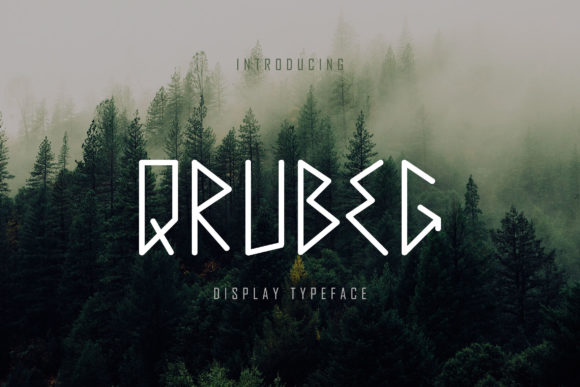
In the rapidly evolving landscape of digital and print design, typography is no longer just a vehicle for text; it is a primary driver of emotion, brand identity, and user experience. As designers and content creators strive to cut through the noise of saturated media channels, the search for fonts that offer both distinctiveness and readability has become paramount. This is where Qrubeg enters the conversation. More than just another typeface, Qrubeg is a unique display font designed to breathe life into static layouts, offering a sophisticated blend of geometric precision and organic warmth.
For professionals seeking practical solutions to enhance their visual storytelling, understanding the specific applications and benefits of a font like Qrubeg is essential. Whether you are branding a startup, designing an editorial layout, or crafting a high-impact web banner, the right typographic choice can be the difference between a forgettable design and one that resonates deeply with your audience.
Understanding the Essence of Qrubeg
To appreciate how Qrubeg can serve your projects, it is first necessary to understand its character. Unlike traditional serif or sans-serif fonts that prioritize uniformity and neutrality, Qrubeg is classified as a display font. This means it is engineered to be used at larger sizes where its unique structural nuances can be fully appreciated. It possesses a distinctive personality—bold yet refined, modern yet timeless—that allows it to act as a focal point in any composition.
The challenge many designers face is finding a font that stands out without sacrificing legibility. Too often, highly stylized fonts become difficult to read, limiting their utility to headlines only. Qrubeg addresses this common pain point by maintaining clear counters and balanced proportions. When you add this font to your designs, you notice how it makes them come alive, not through excessive decoration, but through a confident presence that guides the viewer’s eye naturally across the page.
Addressing Common Design Challenges
Designers frequently encounter several recurring hurdles when selecting typography for client projects or personal portfolios. One of the most significant challenges is establishing hierarchy in a cluttered digital environment. Users are bombarded with information, and if the text lacks visual distinction, engagement drops. Another common issue is the "template fatigue" that occurs when popular, overused fonts fail to convey a brand's unique value proposition.
Qrubeg helps address these situations by providing immediate visual authority. Its unique letterforms create a strong initial impression, allowing brands to communicate their tone of voice before the reader even processes the message. For instance, a tech company might use Qrubeg to signal innovation and forward-thinking, while a luxury fashion label might leverage its elegant curves to suggest exclusivity and craftsmanship. By integrating Qrubeg into your workflow, you effectively solve the problem of blandness, injecting energy and purpose into every headline and subheading.
Practical Applications and Outcomes
The versatility of Qrubeg extends across various mediums, making it a valuable asset for a wide range of professionals. Here are several practical ways to implement this font to achieve tangible outcomes:
- Brand Identity Systems: Use Qrubeg for primary logos or wordmarks. Its distinctive shape ensures high recall value. Pair it with a clean, neutral body font to create a striking contrast that highlights the brand name while keeping supporting text easy to scan.
- Editorial and Magazine Layouts: In long-form articles or magazines, Qrubeg can be used for pull quotes, section headers, or drop caps. This breaks up dense blocks of text and adds a layer of sophistication, encouraging readers to stay engaged with the content longer.
- Digital Marketing and Social Media: For social media graphics and ad creatives, attention spans are measured in seconds. A bold Qrubeg headline grabs attention instantly. When combined with compelling imagery, it creates a cohesive visual narrative that drives clicks and shares.
- Event Posters and Invitations: The event industry relies heavily on mood and atmosphere. Qrubeg’s dynamic structure can evoke excitement for concerts or elegance for galas, depending on how it is styled with color and spacing.
Strategic Implementation Tips
To get the most out of Qrubeg, it is important to approach its usage with strategic intent. Because it is a display font, less is often more. Overusing it in body copy can lead to visual fatigue and reduced readability. Instead, reserve Qrubeg for key moments of impact.
Consider the context of your audience. If you are targeting a corporate audience that values stability and tradition, you might use Qrubeg sparingly, perhaps only for the main title, paired with a classic serif. However, if your audience consists of creative professionals or younger demographics who appreciate modern aesthetics, you can experiment with tighter tracking (letter-spacing) and larger sizes to make a bolder statement.
Another crucial consideration is pairing. Since Qrubeg has such a strong character, it needs a complementary partner. Clean sans-serif fonts like Helvetica Now or minimalist serifs like Merriweather work exceptionally well alongside Qrubeg. These pairings allow the display font to shine without competing with the body text for attention. Always test your combinations in black and white first to ensure the hierarchy holds up without the aid of color.
Adapting to Different User Needs
Different users may approach the topic of typography differently based on their specific goals. A freelance graphic designer might focus on how Qrubeg can help differentiate their portfolio from competitors. For them, using unique fonts demonstrates technical proficiency and an eye for detail. On the other hand, a marketing manager might view Qrubeg as a tool for increasing conversion rates. They may A/B test headlines set in Qrubeg against standard fonts to measure improvements in click-through rates.
Regardless of the role, the underlying principle remains the same: typography is a functional element of design. It should serve the message, not overshadow it. By viewing Qrubeg as a solution to specific communication problems—such as low engagement, weak branding, or poor hierarchy—you transform it from a mere aesthetic choice into a strategic business asset.
Conclusion
In conclusion, incorporating Qrubeg into your design repertoire offers a powerful way to elevate your visual communications. Its unique characteristics solve real-world problems related to visibility, engagement, and brand differentiation. By understanding its strengths and applying it strategically across various mediums, you can create designs that not only look beautiful but also perform effectively. As you explore new projects, remember that the right font does more than fill space; it sets the tone, guides the narrative, and ultimately connects with your audience on a deeper level. Add Qrubeg to your toolkit today and watch your designs come alive.