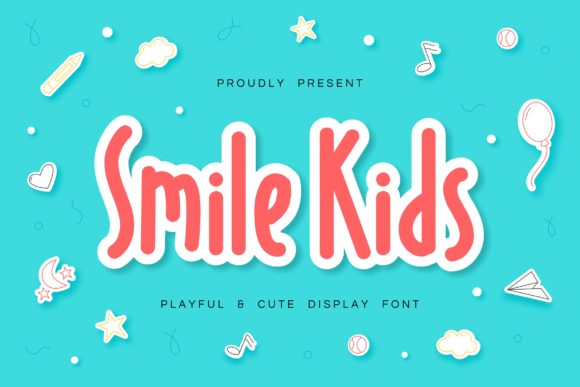
Smile Kids: The Perfect Playful Font for Bright Designs
Typography is often the unsung hero of visual communication. It sets the tone before a single word is read, establishing whether a message feels serious, urgent, whimsical, or trustworthy. When you are working on projects that require warmth, joy, and approachability, choosing the right typeface becomes a strategic decision rather than just an aesthetic one. This is where Smile Kids shines as a standout choice. Designed with a playful and cute aesthetic, this display font captures the innocence and energy of childhood while remaining sophisticated enough for modern design trends.
For creators, marketers, and educators alike, Smile Kids offers more than just a novelty look; it provides a versatile tool for connecting with audiences on an emotional level. Whether you are designing a brand identity for a new toy line, creating educational materials for young learners, or simply adding a touch of cheer to social media graphics, understanding how to leverage this font can elevate your work from good to memorable.
Understanding the Appeal of Smile Kids
At its core, Smile Kids is a display font characterized by rounded edges, soft curves, and a hand-drawn quality that mimics the natural scribbles of early handwriting. Unlike rigid sans-serif fonts that communicate efficiency and corporate stability, Smile Kids communicates personality. The letters appear slightly uneven in a deliberate way, suggesting human touch and authenticity. This "imperfect" perfection is exactly what resonates with modern consumers who crave genuine connections over sterile professionalism.
The font’s structure allows it to stand out in crowded digital feeds. In an era where attention spans are short, a unique typographic voice can stop the scroll. Smile Kids does this by evoking immediate feelings of nostalgia and comfort. For designers, this means less effort is required to convey a positive mood; the font itself carries the emotional weight. However, its utility extends beyond mere cuteness. The legibility remains high even at larger sizes, making it suitable for headlines, posters, and packaging where readability must coexist with style.
Creative Applications Across Industries
One of the strongest attributes of Smile Kids is its adaptability. While it is undeniably tied to themes of youth, its application is not limited to products for children. Here is how different professionals can integrate this font into their workflows effectively.
Educational Content and Learning Materials
Educators and instructional designers know that engagement is key to retention. Using Smile Kids for titles, headings, or key takeaways in worksheets, presentations, or e-learning modules can reduce cognitive load and make learning feel less like a chore. The friendly appearance lowers anxiety around difficult subjects. Consider using the font for chapter titles in a digital textbook or as callout boxes for important definitions. Pairing it with bright primary colors—such as sunshine yellow, sky blue, or vibrant orange—can create a visually stimulating environment that encourages curiosity.
Brand Identity for Lifestyle Businesses
Entrepreneurs in the wellness, parenting, and pet care sectors often struggle to balance professionalism with approachability. A logo or brand mark featuring Smile Kids can signal that a business is caring and accessible without appearing unprofessional. Imagine a boutique bakery using the font for its signage to suggest homemade goodness, or a childcare app using it for its onboarding screens to reassure nervous parents. The key here is consistency. Use Smile Kids for the brand name and pair it with a clean, simple sans-serif body text to maintain hierarchy and readability.
Social Media and Digital Marketing
Marketers and bloggers can use Smile Kids to break up text-heavy posts. On platforms like Instagram or Pinterest, visual impact is paramount. Creating quote cards, motivational graphics, or promotional banners with Smile Kids as the focal point can increase engagement rates. The font works exceptionally well when combined with bold, saturated backgrounds. Because the letters have distinct shapes, they remain legible even when overlaid on busy images, provided there is sufficient contrast.
Design Strategies for Maximum Impact
To get the most out of Smile Kids, it is essential to treat it as a display element rather than a body text font. Its decorative nature makes it fatiguing to read in long paragraphs. Instead, focus on these practical design strategies:
- Color Coordination: As noted, Smile Kids thrives with bright colors. Experiment with gradients or solid blocks of color to enhance its playful nature. Avoid muted pastels unless you are aiming for a very specific, subtle aesthetic, as they may dilute the font's energetic character.
- Pairing Typography: Balance the whimsy of Smile Kids with neutral typefaces. A geometric sans-serif or a classic serif can ground the design, providing a stable foundation that allows the headline font to pop. This contrast creates visual interest and ensures the overall composition remains organized.
- Kerning and Spacing: Display fonts often require manual adjustment of letter spacing. With Smile Kids, generous tracking (space between letters) can enhance its airy, friendly vibe. Tighter spacing might make it feel cramped and lose its charm. Always preview your text at the size it will be used to ensure optimal legibility.
- Contextual Relevance: Ensure the font matches the context. Using Smile Kids for a legal document or a financial report would be inappropriate and confusing. Reserve it for contexts where playfulness, creativity, or warmth is desired.
Tips for Consistent and Original Results
Originality in design comes from thoughtful variation. While Smile Kids is a fixed font file, you can manipulate its presentation to create unique looks. Try combining it with other graphic elements like doodles, stickers, or textured backgrounds. For instance, placing the text inside a speech bubble or wrapping it around a circular badge can add depth and dimension.
Furthermore, consider the rhythm of your layout. Alternate between large, impactful headlines using Smile Kids and smaller, supportive text in a simpler font. This hierarchy guides the viewer’s eye through the content naturally. Don’t be afraid to rotate the text slightly or use curved paths for captions, adding a dynamic feel that mirrors the movement inherent in the font’s curves.
For freelancers and small business owners, building a style guide that includes Smile Kids can streamline future projects. Define clear rules for when and how to use the font, including approved color palettes and pairing options. This ensures that every piece of content, whether it’s a blog header, an email newsletter, or a product label, feels cohesive and professional.
Conclusion
Smile Kids is more than just a cute font; it is a powerful communicative tool that brings warmth and personality to visual designs. By understanding its strengths and applying it strategically across various mediums, creators can craft experiences that resonate deeply with their audiences. Whether you are educating the next generation, branding a lifestyle business, or simply spreading joy online, Smile Kids offers the perfect blend of playfulness and professionalism. Embrace its charm, experiment with its potential, and let your designs smile back at the world.