Renaise: Reviving the Art of Tactile Typography in a Digital Age
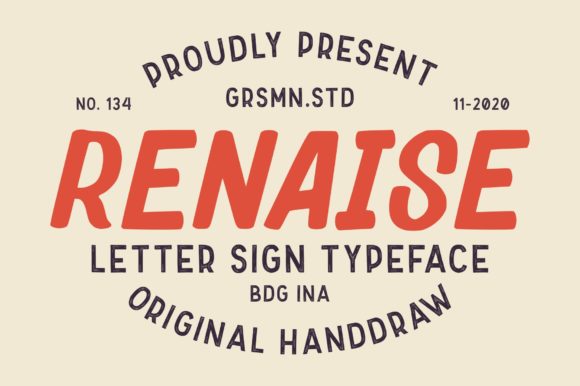
In an era where screens dominate our visual landscape, there is a quiet but persistent movement toward the tactile, the textured, and the historically rooted. Among the tools fueling this resurgence is Renaise, a daring, vintage styled display font that bridges the gap between historical elegance and modern creative utility. While digital design often prioritizes speed and scalability, Renaise offers something different: character, weight, and a distinct narrative voice. It is not merely a typeface; it is a statement piece designed to capture attention through its original look, appealing to a wide range of crafty ideas, from letterheads and titles, to stationery.
The relevance of Renaise lies in its ability to evoke nostalgia without feeling dated. For professionals, creators, and entrepreneurs, typography is no longer just about readability; it is about atmosphere. The font’s robust structure and classic serif details provide a sense of authority and warmth simultaneously. This duality makes it particularly effective for brands seeking to establish trust while maintaining a creative edge. Whether you are designing a wedding invitation, a boutique coffee shop menu, or a high-end business card, Renaise provides the visual anchor needed to make a lasting impression.
The Evolution of Display Typography
To understand why Renaise resonates with contemporary designers, one must look at the broader evolution of display typography. Historically, display fonts were used sparingly, reserved for headlines and posters where their decorative qualities could shine. With the advent of digital publishing, the focus shifted heavily toward body text and interface clarity. Sans-serif fonts became the default for screens due to their legibility at small sizes. However, as digital saturation increases, users are experiencing "visual fatigue." There is a growing desire for content that feels handcrafted, personal, and unique.
This shift has led to a renaissance in serif and display fonts. Designers are returning to typefaces that have history and personality. Renaise fits squarely into this trend by offering a vintage aesthetic that feels authentic rather than retrofitted. Unlike many modern fonts that mimic old styles with sterile precision, Renaise retains a certain boldness—a "daring" quality—that prevents it from looking like a mere copy of 19th-century printing. It commands space. In a market flooded with minimalist, clean designs, Renaise stands out by embracing complexity and ornamentation in a controlled, sophisticated manner.
Bridging Tradition and Modern Workflows
One might assume that a vintage-styled font would be difficult to integrate into modern workflows, but Renaise proves otherwise. Its strength lies in its versatility within the context of display use. For freelancers and marketers, the challenge is often balancing brand consistency with creative novelty. Renaise allows for this balance by serving as a powerful headline font that pairs well with simpler sans-serif body text.
Consider the workflow of a blogger or educator creating digital course materials. By using Renaise for chapter titles or key takeaways, the content gains a sense of importance and structure. It breaks up walls of text and guides the reader’s eye naturally. Similarly, for entrepreneurs launching a new product, using Renaise on packaging or promotional banners can instantly communicate quality and heritage. The font does not scream for attention; it invites it, allowing the viewer to linger on the design elements longer than they might with a more aggressive, modern typeface.
Practical Applications for Creators and Businesses
The true value of Renaise is realized when applied to specific mediums where texture and detail matter. Because it is a display font, it is best utilized in larger sizes where its intricate features can be appreciated. Here are several practical scenarios where Renaise excels:
- Stationery and Correspondence: In a world dominated by email, physical mail has become a premium experience. Using Renaise for letterheads, envelopes, or thank-you notes adds a layer of sophistication that digital correspondence cannot replicate. The vintage style suggests care and thoughtfulness, qualities that are highly valued in both personal and B2B communications.
- Event Branding and Invitations: Weddings, galas, and corporate events often rely on typography to set the tone. Renaise’s daring nature makes it ideal for invitations where the goal is to create excitement and anticipation. It works particularly well for themes that lean toward classic elegance, rustic charm, or artistic flair.
- Product Packaging: For small batch producers, artisans, and hobbyists, packaging is a critical touchpoint. A label featuring Renaise can elevate a simple product into a gift-worthy item. The font’s strong presence ensures that the brand name is memorable, even from a distance.
- Digital Headers and Titles: While primarily suited for print, Renaise can be effectively used in digital contexts such as website headers, social media graphics, and eBook covers. When paired with appropriate contrast and spacing, it translates well to screen, offering a break from the sea of uniform sans-serif web fonts.
Designing with Intent: Pairing and Spacing
Using Renaise requires a mindful approach to design. Because it is a "daring" font, it should not compete with other heavy visual elements. The key to successful implementation is restraint. When using Renaise for titles, pair it with a clean, neutral sans-serif for supporting text. This contrast highlights the vintage characteristics of Renaise while ensuring the overall composition remains readable and balanced.
Spacing is also crucial. Vintage fonts often have dense counters (the empty spaces inside letters) and thick strokes. Allowing adequate white space around Renaise text prevents the design from feeling cluttered. This is especially important for letterheads and stationery, where the layout must feel airy and inviting. Generous margins and line heights will enhance the font’s elegance, making the final product feel luxurious and well-crafted.
Why Audiences Are Responding to Vintage Styles
The appeal of Renaise is not accidental; it taps into deeper psychological and cultural shifts. For adults aged 20–50, there is a significant intersection of nostalgia and aspiration. Younger consumers may seek the authenticity and timelessness associated with vintage aesthetics, viewing them as antidotes to the disposable culture of fast fashion and digital ephemera. Older consumers may find comfort in the familiar forms of traditional typography, which evoke memories of quality craftsmanship and established institutions.
Furthermore, the rise of the "maker" movement and the gig economy has empowered individuals to create professional-grade materials themselves. Tools like Canva, Adobe Express, and various font libraries have democratized design. As more people take control of their visual identity, they are looking for fonts that help them stand out. Renaise offers a ready-made solution for those who want to project an image of creativity and refinement without needing extensive design training. Its original look provides an instant upgrade to any project, making it accessible to hobbyists and experts alike.
Sustainability and Longevity in Design
There is also an argument for sustainability in design choices. Trends come and go, but classic styles tend to endure. Choosing a font like Renaise, which draws from historical precedents, can future-proof a brand’s visual identity. While trendy, overly stylized fonts may look outdated in a few years, a well-executed vintage display font retains its appeal. This longevity is valuable for businesses that invest in branding materials, reducing the need for frequent redesigns and minimizing waste.
For educators and content creators, this longevity translates to evergreen resources. A template or course module designed with Renaise is less likely to feel obsolete over time, providing greater value to students and readers in the long run. It signals stability and expertise, traits that are increasingly sought after in an information-saturated market.
Conclusion: Embracing Character in Communication
Renaise represents more than just a typographic choice; it is a tool for enhancing communication through emotional resonance. In a professional landscape that often values efficiency above all else, Renaise reminds us of the power of beauty and history in design. It challenges creators to slow down, to consider the texture of their message, and to engage their audience on a sensory level.
Whether you are drafting a formal proposal, designing a creative portfolio, or simply writing a personal note, incorporating Renaise can transform the ordinary into the extraordinary. Its daring vintage style offers a unique opportunity to inject personality into your work, ensuring that your message is not only read but felt. As we continue to navigate the complexities of modern digital life, fonts like Renaise serve as vital links to the past, reminding us that good design is timeless, tactile, and deeply human.
For those willing to experiment, the results can be profound. By integrating Renaise into your projects, you join a growing community of creators who believe that typography should tell a story. From the subtle curve of a serif to the bold stance of a title, every detail contributes to the narrative. In doing so, you not only enhance the aesthetic quality of your work but also deepen the connection with your audience, fostering a sense of trust and appreciation that transcends the screen.